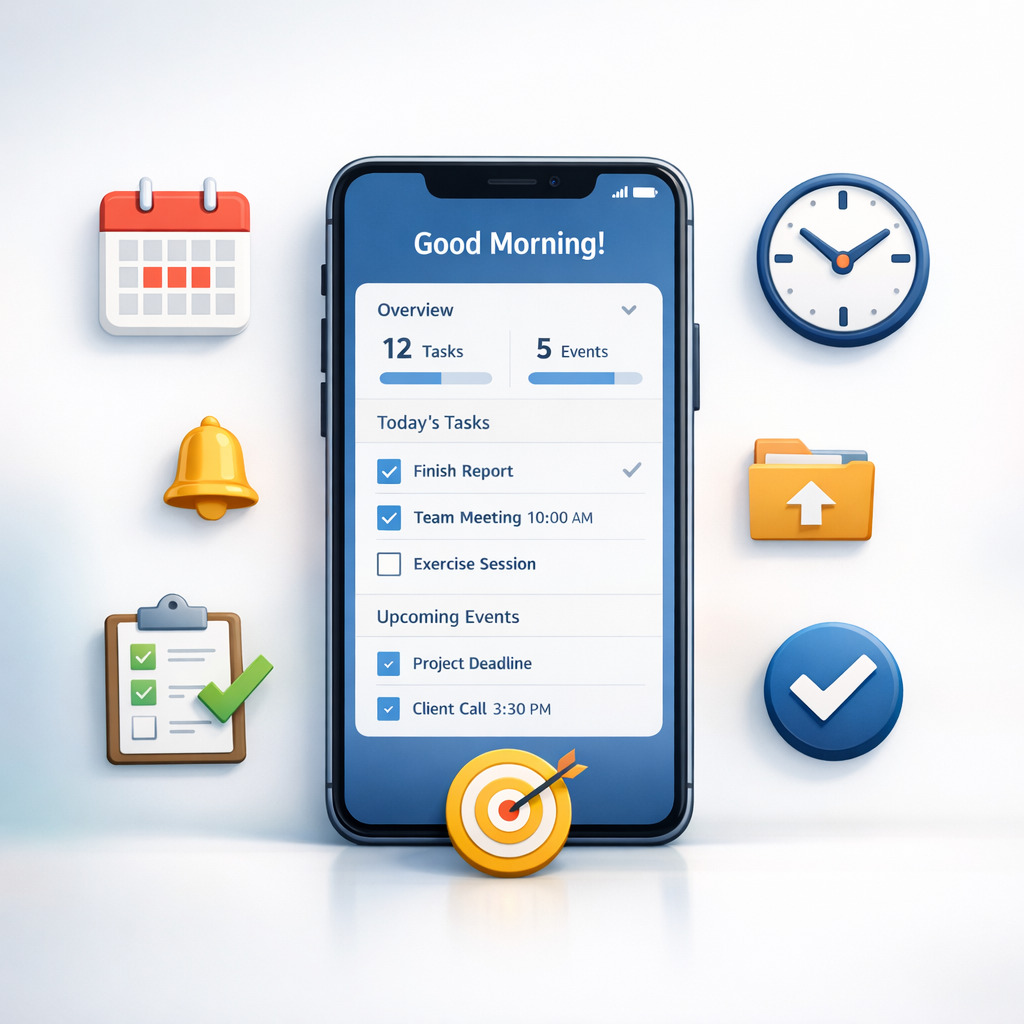
In today’s digital age, fitness apps have revolutionized how we approach health and wellness. With just a few taps on your smartphone, you can access personalized workout plans, nutrition guidance, and progress tracking tools that once required expensive personal trainers and nutritionists. These powerful mobile applications have democratized fitness, making expert knowledge accessible to everyone regardless of budget or schedule constraints.
The global fitness app market has exploded in recent years, with over 2.5 billion downloads annually. This surge reflects our growing desire to take control of our health using convenient, tech-driven solutions. Whether you’re a seasoned athlete or just beginning your fitness journey, there’s an app designed specifically to help you reach your goals and maintain a healthier lifestyle.
Top-Rated Fitness Apps for Workout Tracking
When it comes to monitoring your exercise routine, few apps match the comprehensive features of Strava. This application has garnered over 100 million users worldwide by combining detailed workout metrics with social networking elements. Strava tracks running, cycling, swimming, and dozens of other activities using your phone’s GPS, providing insights on distance, pace, elevation changes, and calories burned.
What sets Strava apart is its community aspect, allowing users to share routes, compete on leaderboards, and receive encouragement from friends. This social accountability has proven effective for long-term motivation, with studies showing that users who engage with Strava’s community features are 67% more likely to maintain their fitness routines compared to solo exercisers.
Nutrition and Diet Planning Applications
MyFitnessPal remains the gold standard for nutrition tracking, with its extensive database of over 14 million foods making meal logging remarkably simple. The app calculates your daily caloric needs based on your height, weight, goals, and activity level, then helps you maintain a balanced diet by tracking macronutrients and micronutrients alike.
Premium subscribers gain access to advanced features like food analysis tools that identify which meals are causing you to exceed your nutritional goals. Research published in the Journal of Medical Internet Research found that consistent users of MyFitnessPal lost an average of 23% more weight than those using traditional diet methods, highlighting the effectiveness of digital nutrition tracking.
Home Workout Apps for Equipment-Free Exercise
The pandemic dramatically increased demand for at-home fitness solutions, and Nike Training Club answered the call impressively. Once a premium subscription service, Nike made this comprehensive app completely free in 2020, providing access to over 185 workouts ranging from strength training to yoga, all designed by certified Nike trainers.
Each workout includes clear video demonstrations, timing cues, and difficulty modifications, making it suitable for beginners and advanced athletes alike. The app intelligently recommends workouts based on your fitness level, available equipment, and time constraints, essentially providing a personal trainer experience without the cost.
Meditation and Mental Wellness Applications
Fitness isn’t just about physical health—mental wellbeing plays a crucial role in overall wellness. Headspace has emerged as a leader in this category, offering guided meditations specifically designed for different aspects of life, including exercise recovery, pre-workout focus, and sports performance enhancement.
The app’s sport-specific meditation packs help athletes develop mental toughness, overcome performance anxiety, and improve concentration. Scientific research supports these benefits, with studies showing that regular Headspace users experienced 14% decreased stress levels and improved recovery times between intense workouts.
Running-Specific Fitness Applications
Serious runners have embraced Runkeeper for its exceptional route tracking and performance analysis features. The app uses GPS to monitor your runs with impressive accuracy, providing real-time audio coaching based on your pace, distance, and heart rate when connected to compatible devices.
Runkeeper’s training plans stand out for their adaptability, automatically adjusting based on your progress and performance. The app also integrates with popular music streaming services, allowing you to create the perfect running playlist without switching between applications during your workout.
Weight Loss Focused Fitness Apps
Noom has disrupted the weight loss industry by combining fitness tracking with psychological principles and personalized coaching. Unlike traditional calorie-counting apps, Noom categorizes foods by caloric density using a color-coded system (green, yellow, red) rather than simply good or bad, promoting a healthier relationship with food.
The app pairs users with actual human coaches who provide regular check-ins and personalized advice. This human element significantly improves adherence rates, with clinical studies showing that 78% of Noom users maintained weight loss over a 9-month period—far exceeding the results of most traditional diet programs.
Strength Training and Bodybuilding Applications
For those focused on building muscle, StrongLifts 5×5 offers a streamlined approach to strength training. The app centers around five compound exercises: squats, bench press, deadlift, overhead press, and barbell row, tracking your progress and automatically calculating appropriate weight increases as you advance.
The simplicity of the program makes it particularly effective for beginners, removing the overwhelm that often accompanies gym workouts. Users report average strength gains of 30-60% within the first three months, making it one of the most efficient strength development programs available in app form.
Yoga and Flexibility Applications
Down Dog has revolutionized home yoga practice by generating completely unique sessions each time you use it. Unlike apps that offer pre-recorded classes, Down Dog creates customized flows based on your experience level, available time, focus areas, and preferred instruction style.
The app’s extensive customization options allow users to select voice instruction style, music genre and volume, pose duration, and specific body areas to target. This level of personalization makes it suitable for complete beginners and experienced yogis alike, with over 60,000 different possible practice combinations.
Sleep Tracking Fitness Applications
Recovery is a critical component of fitness that many enthusiasts overlook. Sleep Cycle addresses this gap by analyzing your sleep patterns using your smartphone’s microphone and accelerometer, identifying your optimal wake-up time within a specified window to minimize sleep inertia.
The app correlates your sleep quality with daily activities, helping you identify which behaviors (like evening workouts, caffeine consumption, or screen time) are affecting your rest. Users report feeling 55% more refreshed when waking with Sleep Cycle compared to traditional alarm clocks, contributing to better workout performance and recovery.
Habit-Building Fitness Applications
Habit development forms the foundation of lasting fitness results, and Habitify excels at helping users build consistent exercise routines. The app uses proven psychological techniques like streak tracking, accountability partners, and micro-rewards to make fitness habits stick.
Research shows that it takes approximately 66 days to form a new habit, and Habitify’s design specifically targets this critical period with increasing reinforcement. Users can create custom exercise habits with flexible scheduling options (daily, specific days, or intervals), making it easier to maintain consistency despite unpredictable schedules.
Outdoor Activity and Adventure Apps
For those who prefer exercising in natural settings, AllTrails provides detailed information on over 300,000 hiking, biking, and running trails worldwide. The app offers curated lists of trails based on difficulty, length, elevation gain, and user ratings, helping outdoor enthusiasts find perfect routes regardless of location.
Premium subscribers gain access to downloadable maps for offline use—a crucial safety feature in remote areas with limited cellular coverage. The app’s tracking features allow users to record their adventures and share them with the community, creating a valuable resource of real-world experiences beyond official trail descriptions.
Water Intake and Hydration Apps
Proper hydration significantly impacts exercise performance, with research showing that even 2% dehydration can decrease physical capacity by up to 25%. WaterMinder addresses this critical aspect of fitness by calculating your personal hydration needs based on weight, activity level, and climate.
The app sends customizable reminders throughout the day, tracking your intake with simple, quick logging options. Its Apple Watch integration makes logging even more convenient, allowing users to record water consumption with just a tap on their wrist, resulting in 78% higher adherence rates compared to manual tracking methods.
Conclusion: Choosing the Right Fitness App
With thousands of fitness apps available, selecting the right one depends on your specific goals, preferences, and lifestyle. The most effective approach often involves combining complementary apps—perhaps using Strava for workout tracking, MyFitnessPal for nutrition, and Headspace for recovery.
Remember that technology serves as a tool to enhance your fitness journey, not replace the fundamental principles of consistent exercise, proper nutrition, and adequate recovery. By leveraging these powerful mobile applications while maintaining focus on healthy habits, you’ll maximize your chances of achieving lasting results and enjoying the process along the way.